The Real-Life Legends Behind Pinoy Horror Stories
Every Halloween, we turn off the lights, grab some popcorn, and brace ourselves for another round of Pinoy horror marathons. But behind the jump scares and movie monsters lies something much older — the folk legends and ghost tales passed down through generations, whispered in the dark long before they ever hit the big screen.
The Aswang: The Shape-Shifting Terror of the Provinces
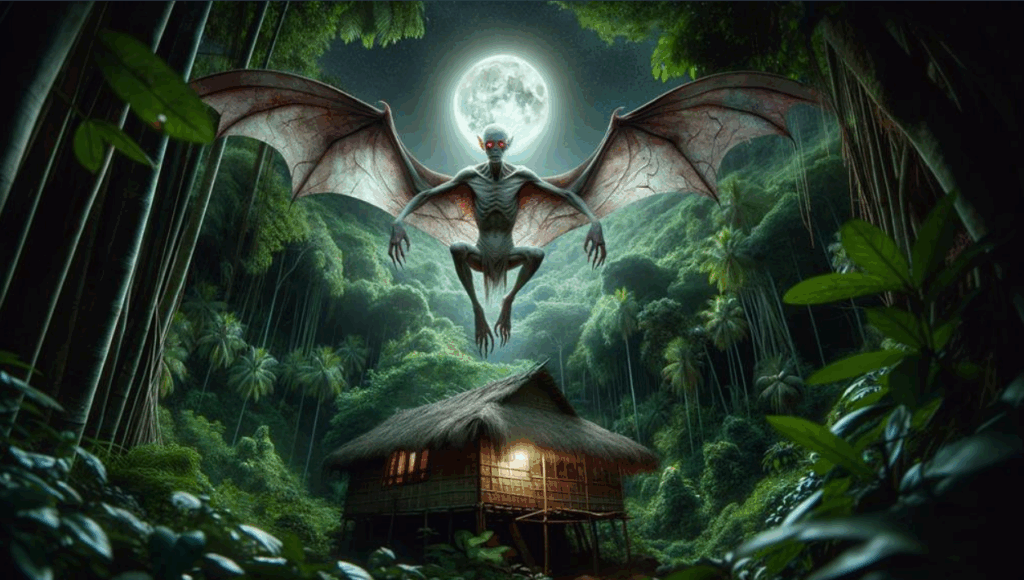
Long before the aswang became a cinematic staple, it haunted rural Visayan and Mindanaoan towns as a creature that could transform from human to beast. According to historians, early Spanish missionaries recorded stories of the aswang as far back as the 16th century, describing it as a metaphor for “evil forces” that resisted colonization. Over time, the myth evolved — from the wakwak who hunts at night to the manananggal who splits her body in two. In the Philippines, the aswang isn’t just a monster — it’s a cultural symbol of fear, gossip, and survival.
The White Lady: From Colonial Tragedy to Urban Legend
The White Lady of Balete Drive remains one of the country’s most famous ghost stories — a spirit said to haunt a Quezon City road, appearing to late-night drivers. Folklorists trace the myth back to pre-colonial diwata or ancestral spirits tied to nature, later reshaped by Spanish and American ghost lore. Whether she’s the ghost of a woman wronged or just a reflection of our fear of guilt and the unknown, she continues to drift through Philippine pop culture — from Shake, Rattle & Roll to countless viral TikToks.
The Kapre and the Tikbalang: Guardians or Tricksters?
Unlike their Western counterparts, Filipino supernatural beings often walk the line between menace and protector. The kapre, a towering tree-dweller smoking a cigar, is said to appear to those who disturb the forests. The tikbalang, half-horse and half-human, was once believed to lead travelers astray in the mountains. Both creatures reflect our nation’s deep ties to the land — and the consequences of disrespecting it.
The Multo: A Reflection of Memory and Mourning
Unlike other monsters, multo aren’t always vengeful. They’re often spirits of the departed — reminders of unfinished business or lingering grief. Anthropologists describe the Filipino relationship with death as “intimate yet fearful,” shaped by Catholic teachings and indigenous rituals. Our horror stories, in turn, mirror how we deal with loss — through faith, humor, and community.
From Folklore to Film: The Evolution of Fear
Modern storytellers like Peque Gallaga (Shake, Rattle & Roll) and Erik Matti (Seklusyon, On the Job: The Missing 8) have brought these folk monsters into the spotlight, blending tradition with contemporary anxieties. Today, Filipino horror continues to thrive not just in cinemas but also online — with digital creators retelling these myths through TikTok horror skits, short films, and podcasts.
The next time you hear strange footsteps or see a shadow flicker in the dark, remember — our horror stories endure because they carry the heartbeat of our history. Behind every scream is a legend, and behind every legend is a truth we still can’t fully explain.