

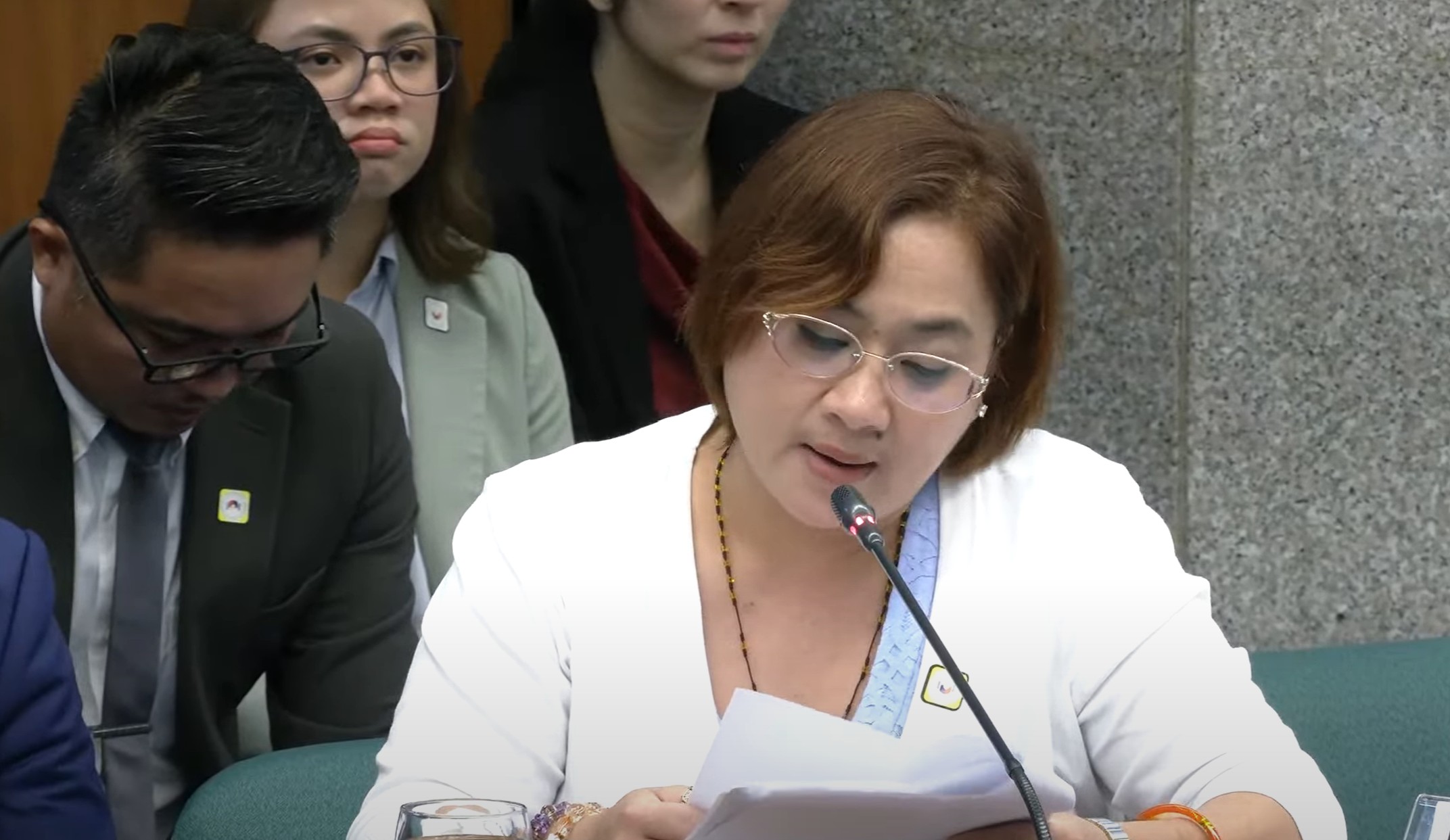
The Department of Justice (DOJ) on September 8 reiterated that Pacifico “Curlee” Discaya and his wife Sarah must return allegedly misappropriated funds before being considered for immunity or state-witness protection in the ongoing flood-control probe.
Justice Secretary Jesus Crispin “Boying” Remulla said during a press briefing:
“Parang first principle na gagamitin natin dito, kung meron silang nakukuhang perang hindi dapat, isauli nila sa republika. ‘Yun naman ang first condition natin lagi. You don’t walk off laughing at the system because you enrich yourself and got away with the crime. Hindi. Dito, you give it back to the state where it rightfully belongs before you can even be considered for immunity. ‘Yun talaga ang whistleblower act, eh. We have to work on those premises.”
(GMA News)
The statement comes amid the Senate Blue Ribbon Committee’s ongoing investigation into allegedly anomalous flood-control projects by the Department of Public Works and Highways (DPWH). The Discayas have offered to cooperate as state witnesses, but the DOJ emphasized that returning the allegedly misappropriated funds is non-negotiable.
“We have to make sure restitution is complete. Cooperation alone is not enough,” Remulla added.
Local officials, including Pasig City Mayor Vico Sotto, have also urged caution regarding the Discayas’ involvement. Sotto reminded the public to remain vigilant, stating that “they are capable of lying” and that communities should monitor the unfolding proceedings closely.
(Inquirer)
The Senate inquiry aims to clarify alleged irregularities in multi-billion peso flood-control projects, which critics say may have involved fraudulent licenses and misallocated funds. While the investigation continues, the DOJ’s firm stance underscores the government’s insistence that accountability is a precondition for leniency or immunity.
The Discayas’ cooperation could provide crucial testimony in uncovering potential corruption in flood-control programs, but the DOJ has made clear that financial restitution must occur first.
As the case unfolds, Filipinos are closely watching the proceedings, hoping for transparency, accountability, and justice in projects that affect thousands of communities across the country.