The political atmosphere in the Philippines is heating up this week as major developments unfold in the Senate and beyond. In just a span of days, leadership changes, budget decisions, and high-profile hearings have reshaped the landscape in ways that could have lasting impacts on governance and public trust.
Sotto Back in Power
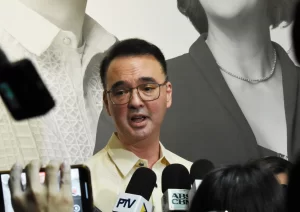
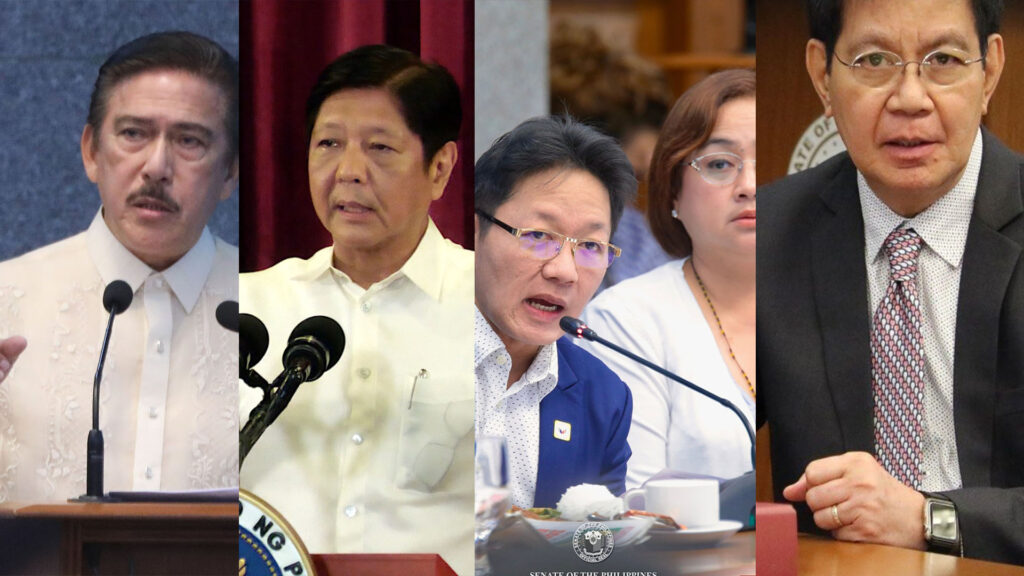
On Monday, September 8, the Senate saw a dramatic leadership shift. Former Senate President Vicente “Tito” Sotto III reclaimed the chamber’s top post, replacing Senator Chiz Escudero (Inquirer, Philstar).
Sotto’s reinstatement comes at a crucial moment. His allies argue that his seasoned approach can provide stability amid political turbulence, while critics warn of old power networks regaining influence. For the ordinary Filipino, the change raises questions: Will this new-old leadership deliver more decisive action on pressing issues, or will it be another round of political maneuvering?
Lacson at the Helm of Oversight
Adding more intrigue, Senate President Pro Tempore Panfilo Lacson was tapped to lead the powerful Blue Ribbon Committee (Inquirer). This panel, tasked with probing government irregularities, plays a crucial role in holding public officials accountable.
Observers say Lacson’s appointment could sharpen the committee’s teeth. Known for his uncompromising stance on corruption and wasteful spending, Lacson is expected to pursue investigations with rigor. Whether this results in meaningful accountability or political showdowns remains to be seen.
Marcos Cuts Flood-Control Budget
Meanwhile, President Ferdinand Marcos Jr. delivered a bold pronouncement: no funding for DPWH flood-control projects in the 2026 national budget (Inquirer).
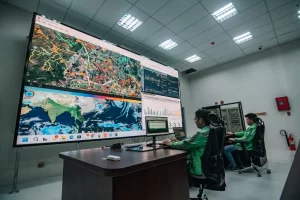
The announcement comes as the Senate and House are holding high-profile hearings on anomalous flood-control deals involving contractors linked to Pacifico and Sarah Discaya (Inquirer Live Updates). Marcos’s move is being framed as a crackdown on corruption, but critics fear it could stall much-needed flood-mitigation efforts, especially with worsening climate risks.
For ordinary communities—many still reeling from seasonal floods—the decision stirs both relief and worry. Relief that corruption is being addressed, but worry that real projects might be sacrificed along with the questionable ones.
DOJ: No Immunity Without Accountability
In a related development, Justice Secretary Jesus Crispin “Boying” Remulla declared that the Discayas cannot be granted immunity unless they return misappropriated funds (Inquirer).
Pasig City Mayor Vico Sotto also weighed in, urging the public to remain vigilant. “They are capable of lying,” he warned, stressing the need for caution in dealing with the accused contractors (Inquirer).
A Nation Watching Closely
For many Filipinos, this flurry of events paints a mixed picture:
-
A Senate under new leadership.
-
A watchdog committee with a hard-nosed chairman.
-
A President cutting budgets to send a message.
-
And a corruption scandal that refuses to go away.
It’s a moment of political drama, but also of civic reckoning. Will these shifts translate into cleaner governance and real benefits for the public? Or will they simply reconfigure the same old power plays?
As the dust settles, one thing is clear: Filipinos are watching more closely than ever. In an age of livestreamed hearings, viral statements, and fast-moving headlines, the demand for accountability has never been louder.
And in the end, the people—those caught in floods, those paying rising prices, those striving for honest governance—remain the ultimate audience and the ultimate judge.